Examinations are a universal part of education, serving as benchmarks for academic performance and gateways to future opportunities. However, the pressure to succeed can often trigger stress, anxiety, and even burnout among students of all ages. While a certain degree of stress can motivate learners to focus and perform better, excessive exam stress has detrimental effects on mental health, academic performance, and overall well-being. This blog takes an in-depth look at exam stress, its causes, its consequences, and, most importantly, practical strategies to overcome it. With a word count of approximately 3,000, it provides a comprehensive exploration of how students, parents, and educators can work together to reduce the burden of exam-related anxiety.
1. Understanding Exam Stress
a. What Is Exam Stress?
Exam stress refers to the emotional, physical, and cognitive strain experienced by students when preparing for or taking exams. It manifests in feelings of worry, nervousness, fear of failure, and physical symptoms such as headaches or sleep disturbances.
b. Why Does Exam Stress Occur?
- High Expectations: From parents, teachers, or students themselves.
- Fear of Failure: Concerns about disappointing others or jeopardizing future opportunities.
- Unpreparedness: Lack of adequate revision or poor time management.
- Peer Comparison: Comparing performance with classmates.
- Unhealthy Lifestyle Habits: Poor sleep, nutrition, or exercise routines exacerbate stress.
2. Signs and Symptoms of Exam Stress

a. Physical Symptoms
- Headaches and fatigue
- Sleep disturbances
- Stomach aches
- Rapid heartbeat or sweating
b. Emotional Symptoms
- Irritability
- Mood swings
- Lack of motivation
- Anxiety and fear
c. Cognitive Symptoms
- Difficulty concentrating
- Racing thoughts
- Forgetfulness
- Negative self-talk
Recognizing these signs early can help students take proactive steps to manage stress effectively.
3. The Impact of Exam Stress
a. On Academic Performance
Excessive stress reduces focus, memory retention, and problem-solving ability, negatively affecting results.
b. On Mental Health
Prolonged anxiety can lead to depression, burnout, and loss of self-esteem.
c. On Physical Health
Stress weakens the immune system, leading to frequent illnesses, while also increasing risks of long-term conditions such as hypertension.
4. The Psychology of Stress
a. Stress as a Double-Edged Sword
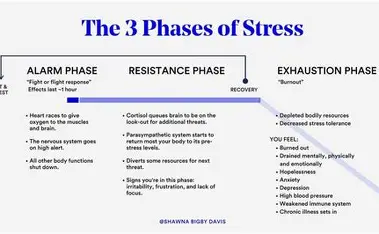
Not all stress is harmful. Moderate levels can boost motivation, but when stress exceeds a manageable threshold, it becomes counterproductive.
b. Fight-or-Flight Response
Exam stress often triggers the body’s survival mechanism, flooding it with adrenaline and cortisol. While useful in short bursts, prolonged exposure harms health and cognitive functioning.
5. Practical Strategies to Overcome Exam Stress
a. Effective Time Management
- Create a realistic study schedule.
- Break revision into manageable chunks.
- Use productivity techniques like the Pomodoro method.
b. Healthy Lifestyle Choices
- Prioritize 7–9 hours of sleep each night.
- Eat balanced meals rich in fruits, vegetables, and proteins.
- Engage in regular physical activity to release endorphins.
c. Relaxation Techniques
- Practice deep breathing exercises.
- Try mindfulness meditation or yoga.
- Use progressive muscle relaxation to reduce tension.
d. Positive Thinking and Self-Talk
Replace negative thoughts such as “I will fail” with affirmations like “I am prepared and capable.”
e. Breaks and Recreation
Taking short breaks, engaging in hobbies, or spending time outdoors improves focus and reduces stress.
6. Study Techniques to Reduce Stress
a. Active Learning
- Summarize information in your own words.
- Use flashcards or mind maps.
- Teach concepts to someone else.
b. Practice with Past Papers
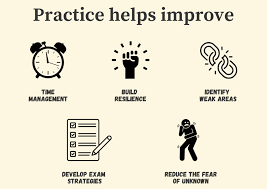
Simulating exam conditions builds confidence and reduces fear of the unknown.
c. Group Study
Studying with peers fosters collaboration, provides different perspectives, and makes learning more engaging.
d. Seek Clarification
Asking teachers or mentors for help when confused prevents last-minute panic.
7. Role of Parents in Supporting Students
a. Emotional Support
Parents should reassure children that their worth is not defined solely by exam performance.
b. Healthy Environment
Providing a quiet, distraction-free study space fosters concentration.
c. Encouragement Without Pressure
Setting realistic expectations prevents unnecessary stress.
d. Promoting Balance
Encouraging hobbies, relaxation, and family time helps students maintain mental well-being.
8. Role of Teachers and Schools
a. Creating a Supportive Learning Environment
Teachers should foster a positive atmosphere that emphasizes learning over grades.
b. Teaching Study Skills
Workshops on time management, note-taking, and exam techniques equip students with practical tools.
c. Mental Health Awareness
Schools can offer counseling services and awareness programs to address exam stress.
d. Alternative Assessment Methods
Reducing over-reliance on high-stakes exams can lessen stress.
9. Role of Peers and Social Networks
a. Positive Peer Support
Peers who encourage collaboration rather than competition reduce anxiety.
b. Sharing Resources
Study groups allow students to share notes and insights, reducing workload.
c. Open Conversations
Talking openly about exam stress normalizes the experience and reduces stigma.
10. Coping Mechanisms for Exam Day
a. Preparation
- Get adequate sleep the night before.
- Eat a light, healthy breakfast.
- Arrive early to avoid panic.
b. During the Exam
- Read instructions carefully.
- Start with easier questions to build confidence.
- Manage time by allocating minutes per section.
- Practice relaxation techniques when anxiety arises.
c. After the Exam
- Avoid dwelling on mistakes.
- Reward yourself with relaxation or enjoyable activities.
- Focus on the next task rather than obsessing over results.
11. Long-Term Approaches to Managing Exam Stress
a. Building Resilience
Developing coping skills such as problem-solving, adaptability, and perseverance prepares students for future challenges.
b. Lifelong Learning Mindset
Viewing exams as opportunities for growth rather than threats reduces stress.
c. Balancing Academics and Life
Maintaining hobbies, friendships, and health alongside studies promotes holistic well-being.
12. Cultural Perspectives on Exam Stress
a. High-Pressure Cultures
In countries where academic success is tied closely to social mobility, exam stress tends to be higher.
b. Alternative Education Models
Systems that emphasize project-based learning or continuous assessment often reduce exam-related anxiety.
c. Global Awareness
As mental health becomes a global concern, many countries are rethinking their approach to assessments.
13. Case Studies of Exam Stress Management
a. Finland
With minimal standardized testing, Finland’s education system prioritizes student well-being and reduces stress.
b. Japan
Despite a high-pressure exam culture, Japan has introduced counseling and stress-management programs in schools.
c. United Kingdom
Programs like mindfulness workshops in schools have helped students manage exam anxiety.
d. India
Government initiatives now include stress management helplines for students facing exam pressure.
14. Technology and Exam Stress
a. Online Learning Tools
Platforms offering adaptive quizzes and personalized learning reduce uncertainty.
b. Meditation and Wellness Apps
Mobile applications provide guided relaxation techniques.
c. Risks of Overuse
Excessive reliance on technology can increase screen fatigue and stress.
15. Mental Health Resources for Students
a. Counseling Services
School counselors and psychologists play a vital role in supporting students.
b. Peer Support Groups
Encouraging peer-led discussions on stress management builds solidarity.
c. Professional Help
When stress escalates to anxiety disorders, professional intervention is necessary.
16. Vision for the Future: A Stress-Free Approach to Exams
Looking ahead, education systems can:
- Place greater emphasis on continuous assessment.
- Incorporate mental health education into curricula.
- Use AI and technology to personalize learning.
- Prioritize holistic development over test scores.
Conclusion
Exam stress is a universal challenge but not an insurmountable one. By adopting effective study strategies, maintaining healthy lifestyles, and seeking emotional support, students can transform exams from overwhelming hurdles into manageable opportunities for growth. Parents, teachers, and policymakers all have vital roles to play in creating environments that reduce pressure and foster resilience.
Ultimately, the goal is not to eliminate exams but to ensure they do not compromise students’ mental and physical health. When managed effectively, exams can become not only measures of knowledge but also stepping stones to personal growth and lifelong learning.