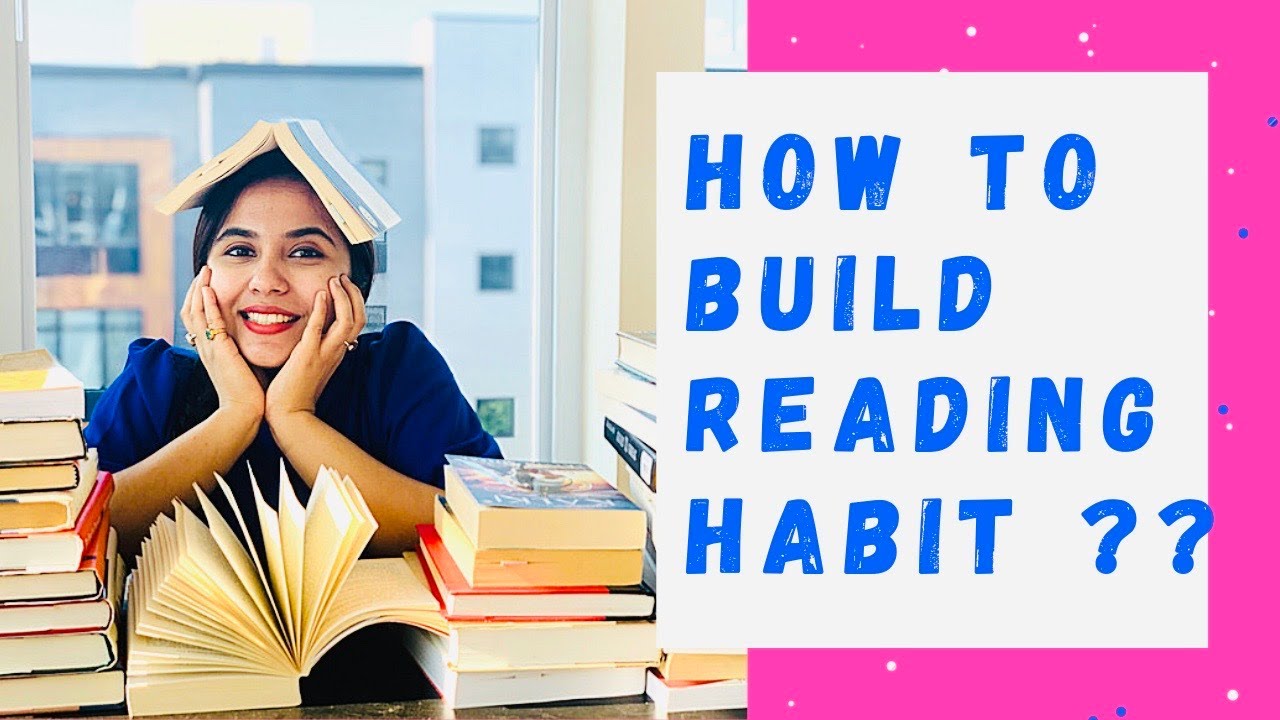

Reading is one of the most enriching and transformative activities humans can engage in. It expands knowledge, sharpens thinking, improves communication, and enhances empathy. Yet in an age dominated by fast-paced technology, social media, and constant distractions, developing a daily reading habit can be a challenge. Building such a habit requires intentional strategies, consistency, and a deep understanding of why reading matters. In this blog (approximately 3,000 words), we’ll explore the benefits of daily reading, the challenges people face, and practical, research-backed strategies for building and sustaining a reading habit that lasts a lifetime.
1. Why Build a Daily Reading Habit?
a. Cognitive Benefits
Reading stimulates the brain, strengthens neural connections, and has been linked to improved memory, focus, and problem-solving.
b. Academic and Professional Growth
Students who read regularly perform better in school. Adults who read often acquire skills, expand vocabulary, and stay professionally competitive.
c. Emotional Intelligence and Empathy
Stories allow readers to experience perspectives different from their own, enhancing empathy and emotional awareness.
d. Stress Reduction
Reading can lower stress levels by providing an escape and calming the mind.
e. Lifelong Learning
Developing a habit of reading makes continuous self-improvement natural and enjoyable.
2. Common Barriers to Daily Reading

- Lack of Time: Busy schedules make it hard to carve out reading time.
- Digital Distractions: Phones, social media, and streaming compete for attention.
- Low Motivation: Some people struggle to find reading engaging or rewarding.
- Difficulty Concentrating: Modern lifestyles reduce attention spans, making it harder to focus on books.
- Accessibility: Limited access to books or libraries can be a barrier in some regions. reading habit
3. The Psychology of Habit Formation
a. The Habit Loop
Habits form through cue, routine, and reward. Applying this to reading means identifying a trigger (cue), reading at that moment (routine), and reinforcing it with satisfaction or a reward. reading habit
b. Small Wins
Starting small—just 5–10 minutes a day—helps the habit stick without overwhelming effort.
c. Identity-Based Habits
Framing yourself as a “reader” strengthens the likelihood of sustaining the behavior.
d. Consistency Over Intensity
It’s better to read a little every day than a lot occasionally. reading habit
4. Practical Strategies for Building a Daily Reading Habit
a. Set Clear Goals
- Decide how many minutes or pages to read each day. reading habit
- Start small and gradually increase. reading habit
b. Choose the Right Books
- Pick genres or topics that genuinely interest you.
- Alternate between light and heavy reads to maintain motivation.
c. Design a Reading Environment
- Create a cozy reading space free of distractions.
- Keep books or e-readers within reach.
d. Use Triggers
- Attach reading to daily routines (e.g., after breakfast, before bed, during commute).
e. Track Progress
- Use journals, apps, or checklists to track your daily reading.
f. Reward Yourself
- After finishing a chapter or book, treat yourself to something enjoyable.
5. Overcoming Distractions
a. Digital Boundaries
- Silence notifications or keep devices away during reading.
- Use apps that block distractions.
b. Replace Screen Time
- Swap 10 minutes of scrolling for 10 minutes of reading.
c. Focus Strategies
- Practice deep reading with techniques like Pomodoro (25 minutes reading, 5 minutes break).
6. Leveraging Technology for Reading
a. E-Books and Audiobooks
- Convenient and portable, making it easier to read anytime.
b. Reading Apps
- Apps like Kindle, Libby, or Audible offer a wide range of content.
c. Social Reading Platforms
- Goodreads and other platforms allow readers to track progress and share experiences.
d. Personalized Recommendations
- Algorithms can suggest books aligned with your interests.

7. Building Reading Into Your Lifestyle
a. Morning Routines
Reading a few pages in the morning sets a positive tone for the day.
b. Bedtime Reading
Replacing screens with books at night improves sleep quality and ensures consistency.
c. Commuting Time
Audiobooks or e-books make travel time productive.
d. Family Reading Time
Creating shared reading sessions strengthens bonds and encourages children to adopt the habit.
8. The Role of Social Connections
a. Book Clubs
Joining a book club provides accountability and enhances enjoyment through discussions.
b. Reading Challenges
Participating in reading challenges adds motivation.
c. Peer Influence
Surrounding yourself with readers encourages you to read more.
9. Reading for Different Purposes
a. For Pleasure
Fiction, fantasy, or romance provide relaxation and escape.
b. For Knowledge
Non-fiction, biographies, and academic texts expand expertise.
c. For Personal Growth
Self-help and psychology books inspire improvement.
d. For Professional Development
Industry-specific books keep you updated and skilled.
10. Sustaining the Habit Long-Term
a. Avoiding Burnout
Don’t force yourself to finish books you don’t enjoy. It’s okay to abandon them.
b. Mixing Formats
Alternate between print, e-books, and audiobooks to avoid monotony.
c. Reflecting on Benefits
Regularly remind yourself how reading has improved your life.
d. Setting New Challenges
Increase goals gradually (e.g., from 10 minutes daily to 30 minutes).
11. Storytelling and Motivation
a. Personal Narratives
Remind yourself of stories where reading has transformed lives.
b. Role Models
Learn about great leaders, thinkers, and innovators who were avid readers.
c. Creating Your Own Story
View yourself as a lifelong learner whose journey is fueled by reading.
12. Reading and Child Development
a. Building Habits Early
Children who develop reading habits are more likely to sustain them as adults.
b. Parental Influence
Parents who read with children model the value of reading.
c. School Programs
Encouraging daily reading through school libraries and reading logs.
13. Reading in the Digital Age
a. The Decline of Attention Spans
Digital content encourages skimming; daily reading rebuilds focus.
b. Digital vs. Print Debate
Each format has advantages; the key is consistency.
c. Future of Reading
Technology will continue to shape reading habits, but the love of stories will remain timeless.
14. Global Perspectives on Reading
a. Finland
Known for high literacy rates and strong national reading culture.
b. Japan
Manga and literature both play roles in cultivating widespread reading habits.
c. United States
Public libraries and community programs foster literacy and access.
d. Developing Nations
Literacy initiatives and access to digital books are transforming reading habits.
15. Case Studies
a. One Book, One Community Programs
Entire cities reading the same book build collective enthusiasm.
b. Reading Recovery Programs
Interventions for struggling readers highlight the power of consistent practice.
c. Corporate Book Clubs
Companies that encourage reading improve employee skills and morale.
16. A Vision for the Future
By 2050, building a daily reading habit could be supported by:
- AI-curated personalized reading lists.
- Global digital libraries accessible to all.
- Reading integrated into wellness and mental health programs.
- Schools emphasizing lifelong reading as a core competency.
Conclusion
Building a daily reading habit is not about speed or quantity but about consistency and enjoyment. By understanding the benefits, overcoming barriers, and applying practical strategies, anyone can cultivate a love of reading that enriches life personally, academically, and professionally. Whether through printed books, e-books, or audiobooks, reading daily is one of the best investments in yourself. With intentionality, perseverance, and the joy of stories, you can make reading as natural as breathing—an inseparable part of who you are.

