
Introduction
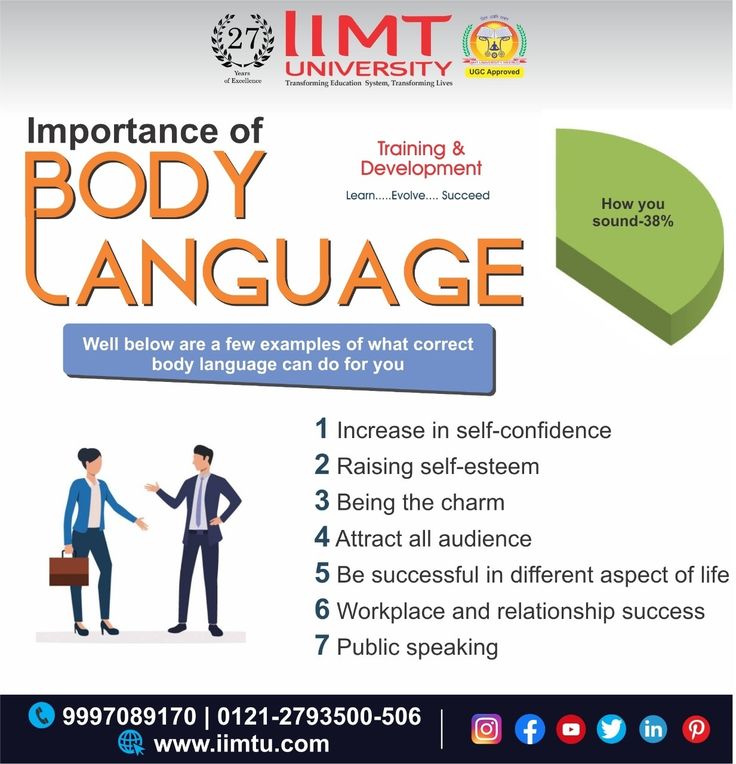
Public speaking is one of the most powerful tools of influence. Great leaders, teachers, and professionals use it to inspire, persuade, and educate. Yet, while words are essential, research shows that communication is far more than verbal. Studies by psychologist Albert Mehrabian suggest that only 7% of communication is words, 38% is tone of voice, and 55% is body language.
This means that how you stand, move, gesture, and even breathe during a speech matters as much—if not more—than the actual words you speak. Body language reveals confidence, authenticity, and credibility. It connects you with your audience on a subconscious level.
This blog explores the critical role of body language in public speaking—why it matters, the key elements, common mistakes, and strategies to master non-verbal communication for unforgettable speeches.
1. Why Body Language Matters in Public Speaking
1.1 Builds First Impressions
Audiences form an impression within seconds. Before you utter a word, your stance and posture signal confidence or nervousness.
1.2 Reinforces Verbal Messages
Gestures and expressions strengthen what you say. For example, emphasizing “growth” while using an upward hand motion makes your message more memorable.
1.3 Establishes Connection
Good eye contact, open gestures, and relaxed posture create rapport with the audience.
1.4 Manages Nervousness
Controlled body language helps mask nerves and projects composure.
1.5 Increases Persuasiveness
People are more likely to trust and believe a speaker who communicates with congruent body language.
2. Core Elements of Body Language in Public Speaking
2.1 Posture
- Stand tall with shoulders relaxed.
- Distribute weight evenly on both feet.
- Avoid slouching or leaning excessively.
2.2 Eye Contact
- Sweeps across the audience rather than staring at one person.
- Shows confidence and sincerity.
- Breaks down barriers between speaker and listener.
2.3 Facial Expressions
- Smile to show warmth.
- Match expression with content (serious during serious points, enthusiastic when excited).
- Avoid monotone expressions.
2.4 Gestures
- Use purposeful hand movements to emphasize points.
- Avoid over-gesturing, which looks distracting.
- Keep gestures natural, not rehearsed.
2.5 Movement
- Move across the stage with purpose.
- Avoid pacing back and forth without intent.
- Step closer to the audience when emphasizing a point.
2.6 Voice and Breathing (Paralanguage)
Though not strictly body language, tone and breath control affect delivery.
- Use pauses strategically.
- Modulate tone for variety.
- Breathe deeply to project calmness.
3. The Psychology of Body Language in Public Speaking
Body language taps into primal instincts. Humans instinctively read physical cues to assess trustworthiness and authority. A confident stance signals safety and leadership, while fidgeting signals uncertainty.
Speakers who master body language influence audiences not just logically but emotionally. This emotional connection is often what makes speeches memorable.
4. Common Body Language Mistakes in Public Speaking
- Crossing Arms – Signals defensiveness.
- Poor Eye Contact – Avoiding audience gaze makes you seem untrustworthy.
- Excessive Fidgeting – Distracts from your words.
- Turning Back on the Audience – Breaks connection.
- Overusing Notes/Slides – Reduces authenticity.
- Monotone Expressions – Make even exciting topics dull.
5. How to Use Gestures Effectively
- Illustrative Gestures: Show size, shape, or direction.
- Emphatic Gestures: Punch the air to show determination.
- Descriptive Gestures: Point when naming people or things.
- Inclusive Gestures: Open palms invite connection.
Tip: Practice in front of a mirror or record yourself to ensure gestures look natural.
6. The Role of Movement on Stage
Movement can energize a speech when done purposefully.
- Use zones: Move to different areas of the stage to engage various audience sections.
- Step forward during key points: Signals importance.
- Pause in place during conclusions: Reinforces authority.
Uncontrolled pacing, however, makes you look nervous.
7. Mastering Eye Contact
- Divide the audience into zones. Shift gaze naturally between them.
- Hold eye contact for 3–5 seconds with individuals before moving on.
- Avoid scanning too fast—it looks superficial.
Eye contact communicates confidence, sincerity, and inclusivity.
8. Synchronizing Body Language With Words
The most powerful speeches happen when body language matches words.
- Saying “I’m excited” with a flat face creates dissonance.
- Saying “We are united” with open arms reinforces the idea.
Congruence between body language and speech makes you authentic and persuasive.
9. Practicing Confident Body Language
Techniques:
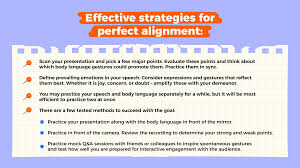
- Record and review your speeches.
- Practice in front of friends or mentors for feedback.
- Rehearse gestures along with key lines.
- Use breathing techniques to calm nerves.
Practice builds muscle memory so gestures flow naturally during real presentations.
10. Case Studies of Effective Body Language in Public Speaking
Case 1: Martin Luther King Jr.
His iconic “I Have a Dream” speech combined powerful words with open gestures and commanding posture.
Case 2: Barack Obama
Known for steady eye contact, calm pauses, and controlled gestures, Obama’s delivery style emphasizes confidence and connection.
Case 3: Oprah Winfrey
Her authenticity shines through expressive gestures, warm smiles, and open posture, making her speeches deeply relatable.
11. Cross-Cultural Considerations
Body language differs globally.
- In Western cultures, eye contact shows confidence. In some Asian cultures, too much eye contact is seen as rude.
- A thumbs-up means approval in the West but can be offensive elsewhere.
Speakers addressing international audiences must research cultural norms to avoid missteps.
12. Body Language and Nervousness
It’s normal to feel nervous on stage, but body language can help:
- Smile—it reduces anxiety and calms your audience.
- Controlled breathing—slows heart rate.
- Purposeful movement—channels nervous energy productively.
Audiences are forgiving if you appear authentic and composed.
13. Body Language in Virtual Public Speaking
With online presentations, body language remains vital:
- Maintain eye contact by looking into the camera.
- Sit upright with shoulders relaxed.
- Use hand gestures within the camera frame.
- Smile and modulate your tone to overcome the flatness of screens.
14. Long-Term Benefits of Strong Body Language in Public Speaking
- Credibility: Audiences trust confident speakers.
- Influence: Physical presence makes persuasion easier.
- Career Growth: Public speaking skills are highly valued professionally.
- Legacy: Memorable speeches often owe their power to body language as much as words.
15. Future of Body Language in Public Speaking
As communication increasingly happens virtually and globally, mastering body language will remain essential. Technologies like AI and VR may change how speeches are delivered, but audiences will always respond to confident posture, expressive gestures, and authentic presence.
Conclusion
Public speaking is not just about the words you say—it’s about how you embody those words. Body language is the silent partner of verbal communication. It conveys confidence, builds trust, and connects emotionally with audiences.
Great public speakers master posture, eye contact, gestures, movement, and expressions to reinforce their message. They align their non-verbal cues with their words, creating authenticity and impact.
In the end, audiences may forget exact sentences, but they will always remember how a speaker made them feel. And much of that feeling comes not from words, but from body language.
✅ Would you like me to also design a visual one-page guide (infographic) summarizing 10 Body Language Tips for Public Speaking that you could attach to this blog?

