Introduction
Human rights, once considered universal and indivisible, are now at the center of some of the most contentious debates in global politics. Since the adoption of the Universal Declaration of Human Rights (UDHR) in 1948, human rights have shaped international law, diplomacy, and activism. Yet, in the 21st century, their universality is being tested by authoritarianism, cultural relativism, technological disruption, climate change, and geopolitical rivalries.
The future of human rights depends on whether global actors—states, organizations, corporations, and citizens—can reimagine and defend these rights in an increasingly divided and complex world. This blog explores the historical trajectory of human rights, the challenges they face today, and the pathways that may shape their future in global politics.
1. Historical Foundations of Human Rights
a. Post-WWII Origins
The atrocities of World War II spurred the international community to articulate universal principles in the UDHR (1948). This framework inspired subsequent treaties like the International Covenant on Civil and Political Rights (ICCPR) and the International Covenant on Economic, Social, and Cultural Rights (ICESCR).
b. Cold War Politics
Human rights became a battleground between Western powers, emphasizing political freedoms, and socialist states, prioritizing economic and social rights.
c. Post-Cold War Expansion
The 1990s saw optimism about human rights universality, with tribunals for Rwanda and Yugoslavia, the International Criminal Court (ICC), and global campaigns against landmines and child soldiers.
2. Human Rights in a Multipolar World
a. Rising Authoritarianism
Countries like China, Russia, and others challenge Western-centric models of human rights, advocating for sovereignty and noninterference.
b. Western Divisions
Even within liberal democracies, debates on immigration, digital privacy, and racial justice highlight internal contradictions.
c. The Global South
Many states argue that development, not Western-style freedoms, should be prioritized. The tension between universality and cultural relativism continues to grow. future of human rights
3. The Role of Technology
a. Surveillance and Privacy
Artificial intelligence (AI), facial recognition, and mass data collection pose unprecedented risks to individual freedoms. future of human rights
b. Social Media and Free Expression
Platforms empower activists but also spread misinformation, hate speech, and state propaganda. future of human rights
c. Digital Rights as Human Rights
Internet access, data protection, and algorithmic accountability are emerging as core human rights concerns.
4. Climate Change and Human Rights
a. Environmental Justice
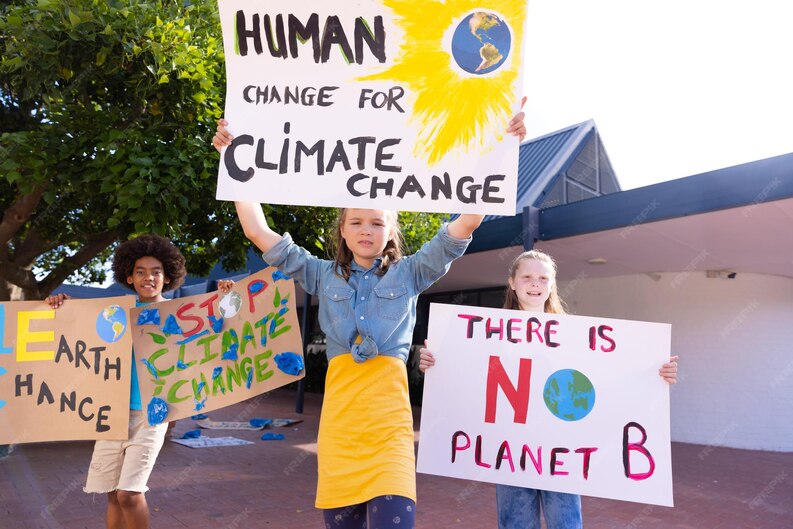
Rising seas, droughts, and natural disasters disproportionately affect vulnerable populations. Climate refugees demand recognition under human rights frameworks.
b. Intergenerational Rights
Younger generations argue for the right to a sustainable future, linking environmental and human rights.
c. Corporate Responsibility
Fossil fuel companies and industries face growing legal and political pressure for climate-related harms.
5. Migration and Refugee Rights
a. Forced Displacement
Conflicts, poverty, and climate change fuel unprecedented displacement. Refugees’ rights are often restricted by national security concerns. future of human rights
b. Rising Nationalism
Anti-immigrant politics in Europe and North America challenge the refugee protection system established post-WWII.
c. Statelessness
Millions lack legal identity or citizenship, raising urgent human rights dilemmas.
6. Gender and Human Rights
a. Women’s Empowerment
Progress has been made in education and representation, but setbacks continue in reproductive rights, workplace equality, and violence against women.
b. LGBTQ+ Rights
Recognition has grown in many states, but backlash and criminalization persist in others.
c. Intersectionality
Future human rights debates must account for overlapping identities—race, gender, class, and sexuality.
7. Human Rights and Geopolitics
a. Selective Enforcement
Western nations are accused of hypocrisy, promoting human rights abroad while ignoring violations at home.
b. Sanctions and Conditional Aid
Sanctions are often used as tools of human rights diplomacy, but their effectiveness is contested.
c. Human Rights vs. Realpolitik
Strategic interests—energy, security, trade—often override human rights commitments. the rights of future generations
8. The Role of International Institutions
a. United Nations
UN human rights mechanisms have symbolic power but limited enforcement. Political divisions among Security Council members often paralyze action. the rights of future generations
b. International Criminal Court (ICC)
While ground breaking, the ICC faces accusations of bias, weak enforcement, and lack of universal jurisdiction. the rights of future generations
c. Regional Bodies
Institutions like the European Court of Human Rights or the Inter-American Court of Human Rights provide stronger enforcement but face political pushback.
9. Corporate Power and Human Rights
a. Multinational Corporations
Companies influence labor rights, digital rights, and environmental impacts. Their responsibilities are increasingly scrutinized under frameworks like ESG (Environmental, Social, Governance).
b. Technology Giants
Big Tech shapes global expression, privacy, and surveillance, making them key players in human rights politics.
c. Supply Chains
Forced labor, child labor, and unethical sourcing remain pressing global challenges. digital authoritarianism and the future of human rights
10. Civil Society and Grassroots Activism
a. Human Rights NGOs
Amnesty International, Human Rights Watch, and local organizations drive accountability but face restrictions in authoritarian states.
b. Youth Movements
Young activists link human rights to climate, racial justice, and digital freedom. digital authoritarianism and the future of human rights
c. Indigenous Movements
Indigenous peoples assert rights over land, culture, and self-determination, reshaping global rights debates. digital authoritarianism and the future of human rights
11. Regional Perspectives
a. Europe
Strong institutional protections exist, but rising populism threatens minority and refugee rights.
b. North America
Civil rights struggles, police accountability, and privacy debates dominate the agenda.
c. Africa
Challenges include authoritarianism, conflict, and poverty, but regional frameworks like the African Charter provide foundations for progress.
d. Asia-Pacific
Economic development often takes precedence over political rights. China, India, and ASEAN countries reflect diverse approaches.
e. Middle East
Authoritarian regimes and conflicts restrict rights, but grassroots movements continue pushing for reforms.
12. Human Rights and Armed Conflict
a. Humanitarian Law
Conflicts in Syria, Yemen, and Ukraine highlight the difficulties of enforcing human rights during war.
b. Responsibility to Protect (R2P)
Once hailed as a breakthrough, R2P has lost credibility due to inconsistent application.
c. Civilian Protection
The targeting of civilians and infrastructure in modern wars underscores the fragility of humanitarian norms.
13. Scenarios for the Future
a. Optimistic Scenario: Global Renewal
Human rights are revitalized through stronger institutions, digital accountability, climate justice, and grassroots empowerment.
b. Pessimistic Scenario: Authoritarian Resurgence
Authoritarian states dominate, technological surveillance expands, and human rights norms weaken globally.
c. Pragmatic Scenario: Fragmented Progress
Human rights advance unevenly, with regional variations and selective enforcement, but remain central to global politics.
14. Pathways Forward
- Reinforcing International Institutions – Reforming UN bodies and strengthening accountability mechanisms.
- Digital Rights Protection – Establishing global norms for AI, data privacy, and online expression.
- Climate Justice – Integrating environmental sustainability into the human rights framework.
- Inclusive Global Governance – Ensuring Global South perspectives shape the future of rights.
- Education and Advocacy – Expanding awareness and civic engagement worldwide.
- Corporate Accountability – Enforcing international standards on business and human rights.
15. Case Studies
a. Ukraine
The war highlights violations of international humanitarian law and the politicization of human rights in global diplomacy.
b. China and Xinjiang
The treatment of Uyghurs underscores the clash between sovereignty and universality in human rights debates.
c. U.S. Civil Rights Movements
Black Lives Matter illustrates how domestic struggles resonate globally, redefining human rights narratives.
d. Climate Refugees in the Pacific
Pacific Island nations bring human rights and environmental survival into the global spotlight.
Conclusion
The future of human rights in global politics is uncertain but vital. While authoritarianism, technological surveillance, and climate change threaten established norms, grassroots activism, digital innovation, and international cooperation offer hope. digital authoritarianism and the future of human rights
Human rights will likely remain contested—shaped by power, culture, and shifting geopolitics. Yet, their enduring appeal as a universal language of dignity and justice ensures that they will continue to influence global politics. The challenge for the 21st century is not only to defend past achievements but to expand human rights frameworks to address new realities—from digital freedoms to environmental survival.
In this sense, the future of human rights is not predetermined—it will be written by the choices of states, corporations, and, most importantly, people demanding dignity and justice in an ever-changing world.