
Introduction
Build trader the markets — whether stocks, forex, crypto, or options — is often seen as a battle of charts, numbers, and strategies. But behind every trade lies a deeper reality: the trader’s mindset. Among the many psychological traits that determine success, confidence stands out as one of the most critical.
Without confidence, even the best strategy will falter. With too much confidence, traders may fall into reckless overtrading. Striking the right balance — rational, disciplined confidence — is the key to consistent growth.
This blog explores how to build confidence as a trader in 2025’s fast-paced markets. From mindset training and risk management to technology, habits, and self-reflection, we’ll uncover the foundations of trading confidence.
1. Why Confidence Matters in Trading

- Execution: Confidence ensures you actually pull the trigger on trades instead of hesitating.
- Consistency: Confidence in your strategy keeps you disciplined, avoiding emotional swings.
- Resilience: Confidence helps you recover from losses without panic.
- Adaptability: Confident traders embrace change — whether it’s new technology, assets, or regulations.
Confidence isn’t arrogance. It’s trust in your system, skills, and ability to handle uncertainty.
2. The Psychology of Trading Confidence
Confidence is not built overnight. It’s the product of repeated experiences, habits, and reflection.
- Fear vs. Greed: Many traders lose confidence when these emotions dominate.
- Imposter Syndrome: Common in beginners who think they’re “not real traders.”
- Overconfidence Bias: Dangerous in bull markets when every trade seems to win.
- Growth Mindset: Believing you can improve through effort builds real confidence.
A confident trader knows they will not win every trade — but trusts their system to win over the long run.
3. Building a Solid Knowledge Base
Confidence starts with education.
- Understand Market Basics: Learn how stocks, forex, crypto, or options actually work.
- Study Technical & Fundamental Analysis: Confidence grows when you can justify your trades.
- Learn Risk Management: Knowing you can survive losses gives peace of mind.
- Follow Economic Trends: Awareness of macro factors prevents surprises.
Practical tip: Dedicate 30 minutes daily to market study. The more you learn, the less fear dominates.
4. Developing & Trusting a Trading Plan
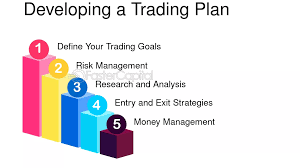
Trading without a plan is gambling. A plan builds confidence because it reduces uncertainty.
- Define Entry & Exit Rules: When do you buy? When do you sell?
- Set Position Sizes: Decide how much of your account to risk.
- Choose Markets & Timeframes: Specialize to build mastery. build trader
- Include Risk Parameters: Maximum daily loss, stop-loss levels, etc.
When you trust your plan, hesitation disappears. Confidence grows from knowing, “I’ve tested this, and it works.”
5. Practicing With Paper Trading
Beginner traders often lose confidence because they risk real money too early.
- Paper Trading: Simulated accounts help practice strategies without fear.
- Back testing: Testing strategies on historical data builds evidence. build trader
- Forward Testing: Trade small real amounts to transition gradually.
This process ensures you’re not just guessing — you’re proving to yourself that you can trade effectively.
6. Risk Management: The Confidence Anchor
Nothing destroys confidence faster than a blown account. Risk management prevents this.
- 1–2% Rule: Never risk more than 1–2% of capital on a single trade.
- Stop-Loss Orders: Protect against unexpected moves.
- Diversification: Don’t rely on a single asset.
- Risk-Reward Ratios: Aim for trades where potential profit outweighs potential loss.
Confidence is easier when you know a single trade can’t wipe you out.
7. Building Emotional Discipline
Confidence isn’t just knowledge — it’s emotional stability.
- Avoid Revenge Trading: Losses are part of the game. Don’t force wins.
- Practice Patience: Confident traders wait for setups, build trader not constant action.
- Mindfulness & Meditation: Helps control fear and greed.
- Journaling: Recording emotions teaches you to recognize patterns.
Tip: Before each session, take 2 minutes to breathe deeply and visualize trading calmly.
8. Using Technology & Tools to Boost Confidence
Modern tools can help reduce uncertainty.
- Trading Platforms: Advanced charting, backtesting, and alerts.
- AI Assistants: Suggest probabilities, detect unusual activity.
- Risk Calculators: Automatically adjust position sizes. build trader
- News Aggregators: Prevent surprises by keeping you updated.
Confidence comes from preparation — and the right tools enhance preparation.
9. Surrounding Yourself With the Right Community
Trading can be isolating. Communities build confidence.
- Mentorship: Learn from experienced traders. build trader
- Trading Groups: Share ideas and get feedback.
- Online Forums & Discords: Stay updated and motivated.
- Accountability Partners: Keep you disciplined.
Tip: Avoid toxic “get rich quick” groups. Seek communities focused on education and discipline.
10. Tracking Progress & Celebrating Wins
Confidence grows when you see progress.
- Trading Journal: Track every trade, reason, and result.
- Win/Loss Ratios: Evaluate objectively.
- Performance Reviews: Weekly or monthly analysis.
- Celebrate Small Wins: Recognize improvements, not just profits.
Even surviving a losing week without breaking rules is a confidence-building success.
11. Handling Losses Without Losing Confidence
Losses are inevitable. The difference is how you respond.
- Reframe Losses as Lessons: Each loss is data for improvement. trading computer build
- Avoid Catastrophic Losses: Risk management ensures confidence survives.
- Take Breaks: Step back if emotions overwhelm you.
- Stay Objective: Focus on the process, not just outcomes. trading computer build
Confidence isn’t about never losing. It’s about knowing you’ll recover and keep improving.
12. Case Studies: Confident Traders in Action
Case 1: The Disciplined Forex Trader
A trader risks only 1% per trade. After 20 trades, even with 12 losses, they remain profitable. Confidence comes from consistent risk control. building winning trading systems with tradestation
Case 2: The Options Strategist
Uses covered calls and protective puts. Their portfolio grows steadily, giving them confidence even in volatile markets.
Case 3: The Crypto Day Trader
After blowing up accounts in 2022, they now journal trades daily, use stop-losses, and follow AI alerts. Confidence rebuilt through discipline. building winning trading systems with tradestation
13. Common Confidence Killers (and Fixes)
- Overtrading → Fix: Limit daily trades.
- Relying on Luck → Fix: Build tested strategies. trading bot builder
- Comparing Yourself to Others → Fix: Focus on personal progress.
- No Routine → Fix: Create a consistent trading schedule.
- Ignoring Health → Fix: Exercise, sleep, and nutrition boost clarity and confidence.
14. The Future of Trader Confidence in 2025 and Beyond
- AI Coaches: Personalized assistants guiding emotional and technical aspects.
- Gamification: Platforms using progress tracking to build confidence. trading bot builder
- Global Communities: Traders learning across borders in real time.
- Neurofinance Research: New insights into brain activity and decision-making.
Confidence will increasingly come from a blend of psychology, technology, and community support.
Conclusion
Confidence in trading is not about arrogance or blind optimism. It’s about knowledge, preparation, discipline, and resilience.
To build lasting confidence as a trader in 2025:
- Educate yourself continuously.
- Create and follow a tested trading plan.
- Use risk management as your anchor.
- Control emotions through mindfulness and discipline.
- Leverage technology and communities for support.
Remember: every professional trader started as a beginner, unsure and hesitant. Confidence was not given — it was built, step by step, through experience, discipline, and reflection.
If you commit to that process, confidence will follow — and with it, consistency and success.
✅ Would you like me to also create a step-by-step “Trader’s Confidence Checklist” (a one-page summary of habits, tools, and rules) that readers could download alongside this blog?

