
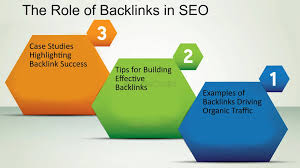
In the world of search engine optimization backlinks in seo (SEO), there’s a saying that “content is king, but are queen.” For more than two decades, have been one of the most important ranking factors in Google’s algorithm. They act as endorsements from one website to another, signaling trust, authority, and relevance.
But what exactly are ? Why are they so important for SEO? And how can businesses, bloggers, and marketers leverage to climb the search engine results pages (SERPs)?
This blog takes a deep dive into the role of success . in seo backlinks We’ll cover what they are, why they matter, types of , strategies for earning them, mistakes to avoid, and future trends shaping link building in 2025 and beyond.
1. What Are Backlinks?
A backlink is simply a hyperlink from one website to another. When website A links to website B, website B receives a.
In SEO, backlinks are valuable because they tell Google and other search engines:
- “This site has content worth referencing.”
- “This site is trusted by others in the same niche.”
- “This site has authority on the topic.”
Backlinks are essentially the web’s version of word-of-mouth referrals.
2. Why Backlinks Matter for SEO
Google’s PageRank algorithm, introduced in the late 1990s, revolutionized search by using as a measure of authority. While the algorithm has evolved significantly since then, backlinks remain a critical signal.
Here’s why:
- Authority & Trust: Sites with more high-quality tend to rank higher because they’re seen as more authoritative.
- Referral Traffic: don’t just help SEO; they also bring direct traffic from other sites.
- Discoverability: Search engines crawl the web by following links. help your site get indexed faster.
- Competitive Edge: Studies consistently show that top-ranking pages often have significantly more backlinks than lower-ranking ones.
3. Types of Backlinks
Not all are created equal. Some can boost your SEO significantly, while others can hurt it.
a. High-Quality Backlinks
- Come from authoritative sites in your niche.
- Are editorially placed (not paid or forced).
- Use natural anchor text.
b. Low-Quality Backlinks
- Come from spammy or irrelevant sites.
- Are generated by link farms or automated tools.
- Can lead to Google penalties.
c. DoFollow vs. NoFollow
- DoFollow links pass authority (PageRank) to your site.
- NoFollow links tell Google not to pass authority. While less powerful, they still drive traffic and diversify your link profile.
d. Contextual Backlinks
Links placed within the main body of content are far more valuable than those in footers or sidebars.
e. Natural vs. Unnatural Backlinks
- Natural: Earned organically through great content.
- Unnatural: Paid or manipulated links that violate Google’s guidelines.
4. What Makes a Backlink Valuable?
Google evaluates backlinks using several factors:
- Relevance: A link from a site in your niche is more valuable.
- Authority of the linking domain: from sites like Forbes, BBC, or .edu domains carry more weight.
- Anchor Text: Descriptive, keyword-rich anchor text signals what your page is about.
- Placement: Links within the main content are better than those in comments or footers.
- Traffic Potential: from high-traffic sites can bring significant referral visits.
- Diversity: Having from a variety of domains is stronger than having many from one source.
5. Backlinks and Google’s Algorithm
While Google’s algorithm has evolved to include hundreds of factors, remain among the top three ranking signals (alongside content and user experience).
- Penguin Update (2012): Targeted manipulative link building.
- RankBrain (2015): Prioritized content relevance, but remained crucial.
- Helpful Content Update (2022–2023): Focused on user-first content, but still considers as trust signals.
Even as AI-powered search grows, backlinks continue to serve as digital endorsements that algorithms rely on.
6. Link Building vs. Link Earning
There’s an important distinction:
- Link Building: Actively pursuing through outreach, guest posting, or partnerships.
- Link Earning: Creating content so valuable that others naturally want to link to it.
The best SEO strategies combine both.
7. Strategies to Earn High-Quality Backlinks
a. Create Exceptional Content
Content that educates, entertains, or solves problems naturally attracts links. Examples include:
- In-depth guides.
- Original research or data.
- Infographics.
- Interactive tools or calculators.
b. Guest Posting
Writing high-quality articles for other websites in your niche can secure valuable backlinks while building authority.
c. Broken Link Building
Find broken links on authoritative sites, create replacement content, and pitch your resource as a fix.
d. Skyscraper Technique
Identify popular content with many , create something better, and reach out to sites linking to the original.
e. Digital PR
Pitch stories, data, or insights to journalists and bloggers. Tools like HARO (Help a Reporter Out) can help.
f. Partnerships & Collaborations
Collaborate with other businesses, creators, or influencers for mutually beneficial links.
g. Resource Pages
Target websites with resource pages (e.g., “Best Tools for Small Businesses”) and suggest adding your content.
8. Tools for Backlink Analysis
Monitoring your backlink profile is essential.
- Ahrefs: Comprehensive analysis.
- SEMrush: Competitor link tracking.
- Moz Link Explorer: Authority scores and link metrics.
- Google Search Console: Free tool showing who links to you.
9. Common Backlink Mistakes to Avoid
- Buying links: Risky and against Google’s guidelines.
- Over-optimized anchor text: Can trigger penalties.
- Quantity over quality: 10 high-quality are better than 1,000 low-quality ones.
- Ignoring link diversity: Relying on one type of link looks unnatural.
- Not monitoring toxic links: Spammy links can harm SEO; disavow them using Google’s tool.
10. Measuring Backlink Success
Key metrics include:
- Domain Authority (DA) or Domain Rating (DR) of linking sites.
- Number of referring domains.
- Traffic from backlinks.
- Keyword rankings improvements.
- Conversions influenced by referral traffic.
11. Case Studies
a. HubSpot’s Inbound Marketing Blog
HubSpot built one of the most authoritative marketing blogs by producing in-depth guides, attracting millions of backlinks from educational institutions, businesses, and news outlets.
b. Brian Dean’s Backlinko
His “Skyscraper Technique” case study generated thousands of backlinks and positioned him as an SEO thought leader.
c. Wikipedia
With its high trust and authority, Wikipedia links are coveted, but earning them requires citations to genuinely reliable sources.
12. The Future of Backlinks in 2025 and Beyond
With the rise of AI-driven search engines and semantic analysis, many marketers wonder: Will backlinksstill matter?
Trends suggest:
- Quality > Quantity: Fewer, higher-quality will outweigh large volumes.
- Topical Authority: Links from niche-relevant sites will gain importance.
- User Signals Integration: Engagement metrics (time on site, bounce rate) may blend with link value.
- Brand Mentions: Even unlinked mentions of your brand may influence authority signals.
- AI & Natural Language Processing: Search engines will get better at evaluating link context and intent.
In short: backlinks aren’t going anywhere—they’re evolving.
13. Practical Backlink Building Workflow
- Research competitors’ backlinks with Ahrefs/SEMrush.
- Identify gaps and opportunities.
- Create content targeting those opportunities.
- Reach out for through email outreach.
- Track progress and disavow harmful links.
14. Final Thoughts
Backlinks are the backbone of SEO success. They:
- Validate your authority.
- Help search engines trust your content.
- Bring referral traffic and visibility.
But successful backlink strategies are not about chasing every link. Instead, focus on:
- Quality over quantity.
- Relevance over randomness.
- Long-term trust over short-term gains.
By combining outstanding content with smart outreach and ethical practices, you can build a profile that drives sustained SEO growth.
Remember: In the digital world, backlinks are more than just hyperlinks—they are votes of confidence that can propel your site to the top of Google.

