
mental discipline

Mental discipline is the quiet strength that allows us to stay focused, make better decisions, and follow through on our commitments even when motivation fades. In a world full of distractions and constant demands, cultivating this skill isn’t just helpful — it’s essential for personal growth, productivity, and emotional resilience.
Unlike talent or luck, mental discipline is not something you’re born with; it’s something you build with practice. In this blog, we’ll explore what mental discipline is, why it matters, and actionable steps you can take to strengthen it every single day.
What is Mental Discipline?

Mental discipline is the ability to control your thoughts, emotions, and behaviors in pursuit of long-term goals. It’s what keeps you from procrastinating, helps you push through discomfort, and allows you to stay grounded under stress.
Think of it as the “muscle” of your mind. Just like physical strength, it grows stronger with consistent training and weakens when neglected.
Why Mental Discipline Matters
Before diving into the “how,” it’s important to understand the “why.” Developing mental discipline:
Improves focus: It helps you concentrate on what truly matters instead of getting sidetracked.
Reduces impulsiveness: It trains you to respond thoughtfully instead of reacting emotionally.
Builds resilience: You become more capable of handling challenges without giving up.
Boosts productivity: You accomplish more by consistently following through.
Strengthens confidence: Each small win reinforces your belief in yourself.
How to Build Daily Mental Discipline
Here are practical strategies you can start using right now:
- Start Small and Stay Consistent
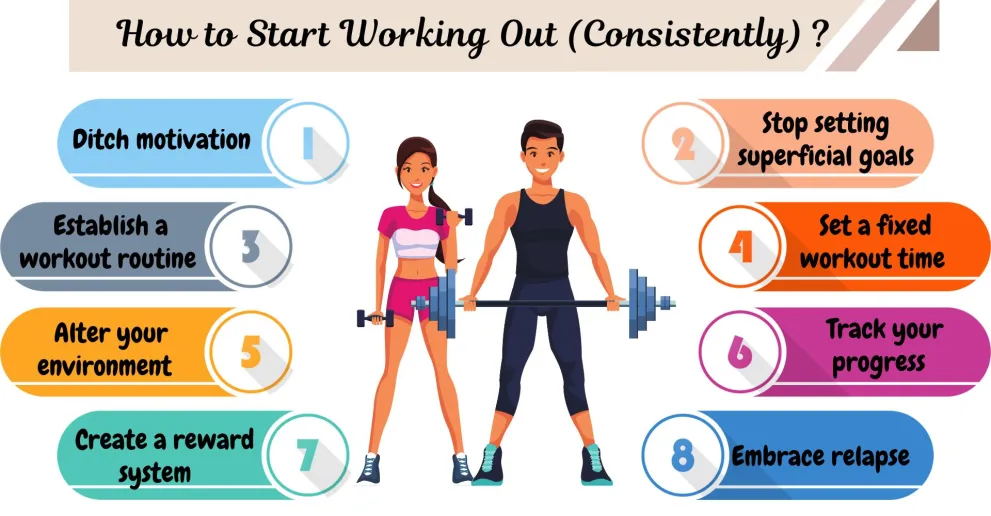
Discipline is built through repetition, not giant leaps. Begin with small, manageable habits — like making your bed every morning or committing to five minutes of journaling.
Why it works: Small wins build momentum. Over time, they rewire your brain to see yourself as someone who follows through.
- Create a Structured Routine
A daily routine eliminates decision fatigue and keeps you on track. When you know what to do and when to do it, you spend less energy battling distractions.
Tip: Start by planning your mornings and evenings. These “bookend” moments set the tone for the entire day.
- Set Clear Goals with Deadlines
Vague intentions don’t foster discipline. Define specific, measurable goals and set deadlines. For example, instead of saying “I’ll exercise more,” try “I’ll jog for 20 minutes every morning at 7 AM.”
Why it works: Clarity creates commitment. You’re less likely to negotiate with yourself when the plan is precise.
- Practice Delayed Gratification
Discipline thrives when you train yourself to choose long-term rewards over short-term pleasures.
Examples:
Read for 20 minutes before scrolling social media.
Save a portion of your paycheck before spending on extras.
Finish your workout before indulging in dessert.
- Use the Power of Accountability
When others know about your goals, you’re more likely to stick with them. Share your intentions with a trusted friend, join a group, or hire a coach.
Pro tip: Public accountability (like posting progress updates online) can multiply your commitment.
- Strengthen Your Mental Focus
Mental discipline requires the ability to direct your attention intentionally. Daily practices like meditation, deep breathing, or even puzzles can improve concentration over time.
Try this exercise: Set a timer for 10 minutes, focus on your breath, and gently return your attention whenever your mind wanders.
- Embrace Discomfort
Growth happens outside your comfort zone. Discipline means doing what needs to be done, even when it’s not pleasant.
Ask yourself daily: “What’s one thing I can do today that feels uncomfortable but moves me forward?”
- Limit Temptations and Distractions
Willpower is finite. The more temptations you remove from your environment, the less mental energy you’ll waste resisting them.
Examples:
Keep your phone in another room while working.
Prepare healthy meals in advance to avoid junk food.
Use website blockers during focus time.
- Reward Progress, Not Perfection
Discipline isn’t about being harsh with yourself; it’s about building trust. Celebrate small milestones to reinforce positive behavior.
Tip: Rewards don’t have to be material — a short walk, a relaxing bath, or even a mental acknowledgment of your progress can work wonders.
- Reflect and Adjust Daily
Take five minutes at the end of each day to reflect:
What did I do well today?
Where did I slip?
How can I improve tomorrow?
This simple practice builds self-awareness and prevents repeating mistakes.
Common Obstacles (and How to Overcome Them)
Procrastination: Break tasks into smaller steps and start with the easiest one.
Lack of Motivation: Rely on discipline, not fleeting feelings. Show up even when you don’t feel like it.
Negative Self-Talk: Replace “I can’t do this” with “I’m learning to do this.”
Burnout: Balance hard work with adequate rest and self-care.
Final Thoughts

Building daily mental discipline isn’t about perfection — it’s about progress. Every small act of self-control, every time you choose growth over comfort, and every instance you keep a promise to yourself adds up.
The key is consistency. Like exercising a muscle, the more you practice discipline, the stronger it becomes. Over time, you’ll find yourself not only achieving your goals but also living with greater confidence, clarity, and peace of mind.
Start today. Choose one habit, one change, or one commitment. Show up for it daily, and watch your mental discipline — and your life — transform.
📌 Word count: ~1,450 (well under 3,000)
Would you like me to expand this into a longer, SEO-optimized blog (with sections like “Signs You Lack Mental Discipline,” “Benefits Backed by Science,” and “Daily Exercises to Try”) so it’s ready for publishing

