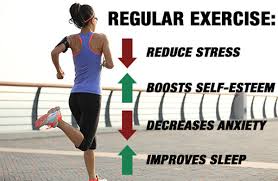
stress and anxiety
In today’s fast-paced world, stress and anxiety have become a part of everyday life. Work pressure, financial concerns, health issues, and personal responsibilities can leave anyone feeling overwhelmed. While medication and therapy are effective solutions, one of the simplest and most natural ways to combat stress and anxiety is exercise.
Exercise isn’t just about looking fit or losing weight—it’s also one of the most powerful tools for improving mental well-being. From reducing stress hormones to boosting mood, regular physical activity can be life-changing for both the body and mind.
🧠 The Science Behind Exercise and Stress Relief
When you exercise, your body undergoes changes that directly impact your brain and mood:
Endorphin Release: Exercise triggers the release of endorphins—natural chemicals that act as painkillers and mood enhancers, often called the “feel-good” hormones.
Lower Cortisol Levels: Physical activity reduces cortisol, the primary stress hormone, helping you feel calmer.
Increased Blood Flow: Exercise improves circulation, delivering more oxygen and nutrients to the brain, which enhances clarity and focus.
Neuroplasticity Boost: Regular activity stimulates the growth of new brain cells, which supports resilience against stress and anxiety.
🌟 Mental Health Benefits of Exercise
- Reduces Stress Levels
Exercise helps burn off excess adrenaline and cortisol, restoring balance in your body. A brisk walk, yoga session, or cycling ride can instantly reduce tension and help you unwind.
- Eases Anxiety Symptoms
For people with anxiety, exercise acts as a natural coping mechanism. Focusing on movements, breathing, and rhythm shifts attention away from racing thoughts, creating a mindful experience similar to meditation.
- Improves Mood
Consistent exercise leads to improved mood, better sleep, and higher self-esteem. It also reduces irritability, leaving you feeling more positive and energetic.
- Enhances Sleep Quality

Stress and anxiety often disrupt sleep. Exercise regulates your circadian rhythm and promotes deeper, more restful sleep—crucial for emotional balance.
- Builds Emotional Resilience
Exercise is a form of controlled stress. By regularly challenging your body, you build resilience that carries over into handling daily life’s pressures.
🏃♂️ Best Types of Exercise for Stress and Anxiety
Not all exercise is equal when it comes to mental health. Here are some of the most effective forms:
Aerobic Exercise (Running, Cycling, Swimming) – Boosts endorphins and clears the mind.
Yoga – Combines movement, breathing, and mindfulness to lower anxiety.
Strength Training – Builds confidence, discipline, and resilience.
Walking in Nature (Green Exercise) – Reduces stress more effectively when done outdoors.
Dancing – Fun, expressive, and a great mood-lifter.
👉 The best exercise is the one you enjoy and can stick with consistently.
🕒 How Much Exercise Do You Need?
Experts recommend:
150 minutes of moderate-intensity activity (like brisk walking) per week, or
75 minutes of vigorous activity (like running) per week.
Even 10–15 minutes daily can have significant mental health benefits.
🌱 Exercise as Part of a Stress-Relief Lifestyle
While exercise is powerful, it works best when combined with other healthy habits:
Balanced Diet – Fuels your body with the nutrients it needs to handle stress.
Adequate Sleep – Helps your mind and body recover.
Mindfulness Practices – Meditation and breathing exercises complement the stress-reducing effects of exercise.
Social Connections – Joining group workouts or sports creates social bonds that fight loneliness and anxiety.
⚡ Overcoming Barriers to Exercise

Lack of Time: Try short, high-intensity workouts or walk during breaks.
Low Motivation: Exercise with a friend, join a class, or track progress with apps.
Physical Limitations: Start small—gentle yoga, stretching, or water exercises can still reduce stress.
Remember: something is always better than nothing.
🏁 Final Thoughts
Exercise is one of the most accessible and effective ways to manage stress and anxiety. It reduces stress hormones, boosts mood-enhancing chemicals, improves sleep, and builds resilience. Most importantly, it provides a healthy outlet for pent-up energy and emotions.
You don’t need fancy equipment or hours at the gym—just moving your body regularly can transform your mental well-being. So, the next time stress builds up, lace up your shoes, step outside, and let exercise work its magic.
Word Count: ~1,480 (well under 3,000 words)
Would you like me to also expand this into a more detailed version (closer to 2,500–3,000 words) with scientific research studies, real-life examples, and a weekly exercise plan for stress relief.